Navigation: Home » US » Florida » Miami-dade County Bank Owned Homes » Miami Bank Owned Homes

Miami Bank Owned Properties

Find Miami Bank Owned Foreclosures, Miami REO Homes and Miami preforeclosures updated daily, also foreclosure news and articles of Miami bank owned homes. Start searching Miami bank foreclosures now!

Latest Foreclosure Homes

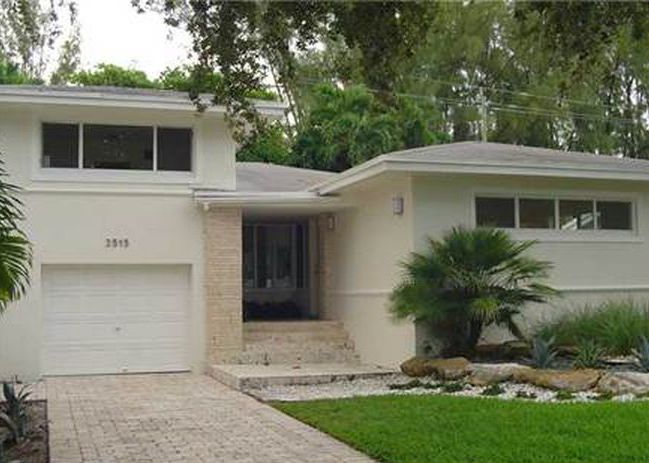
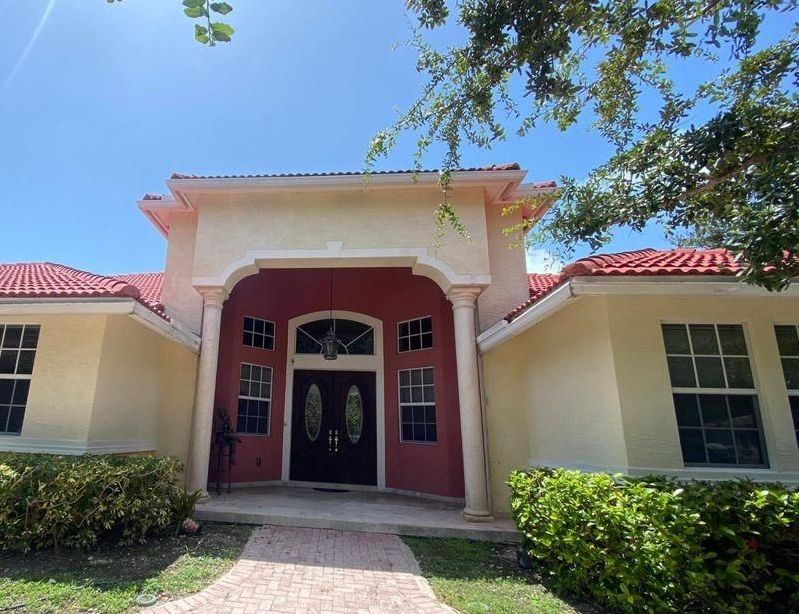
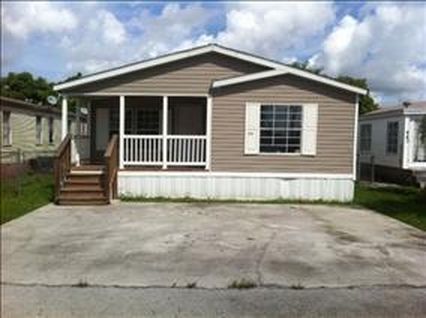
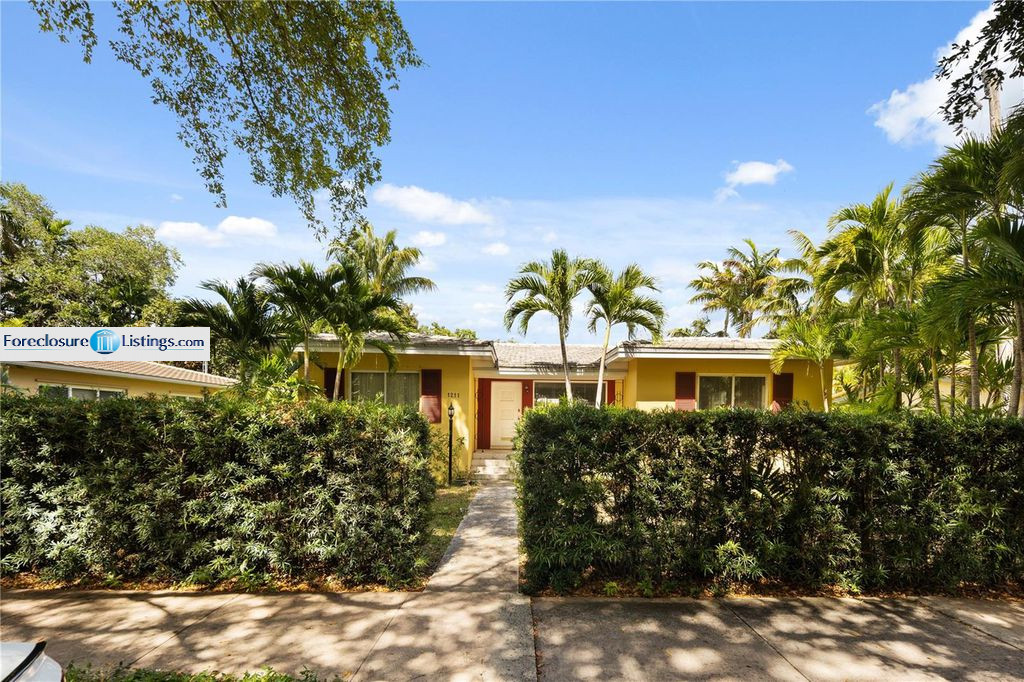
  • Miami Foreclosure
  • Miami, Miami-dade
  • FL, 33182
  • $100,000
  • BD/BH: 3 / 2
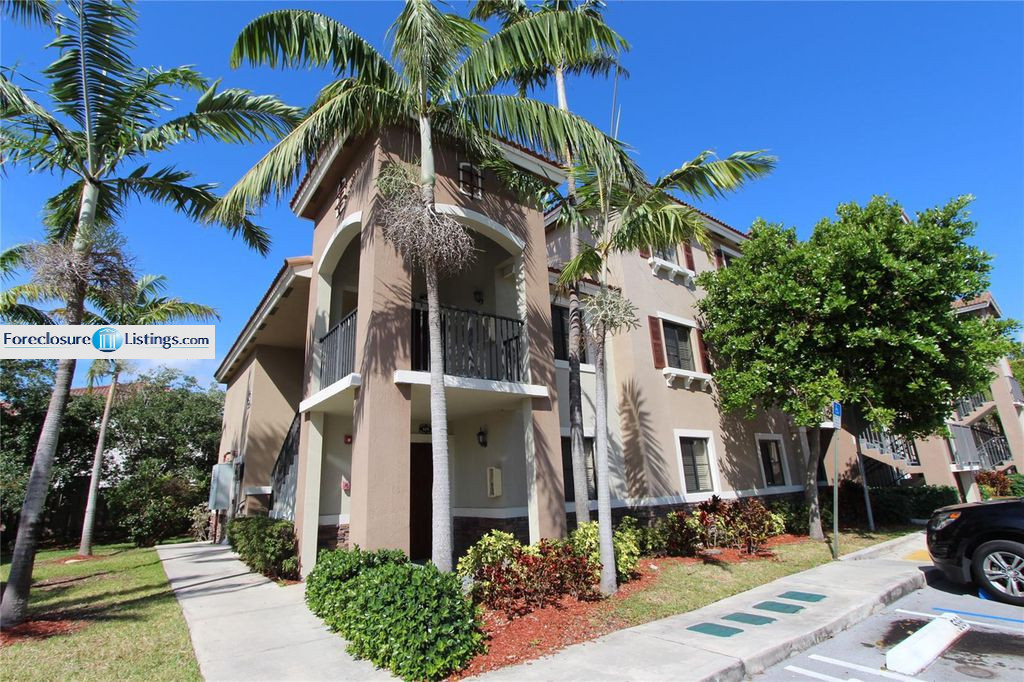
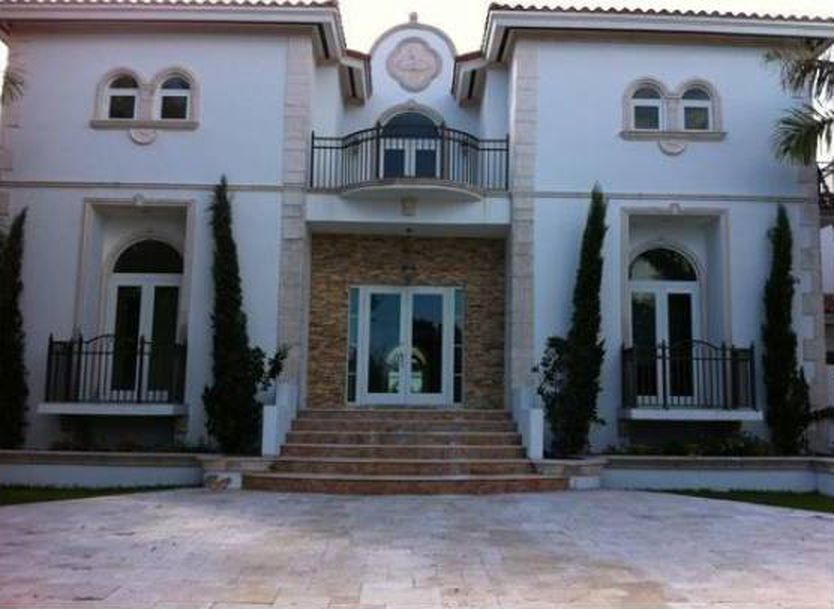
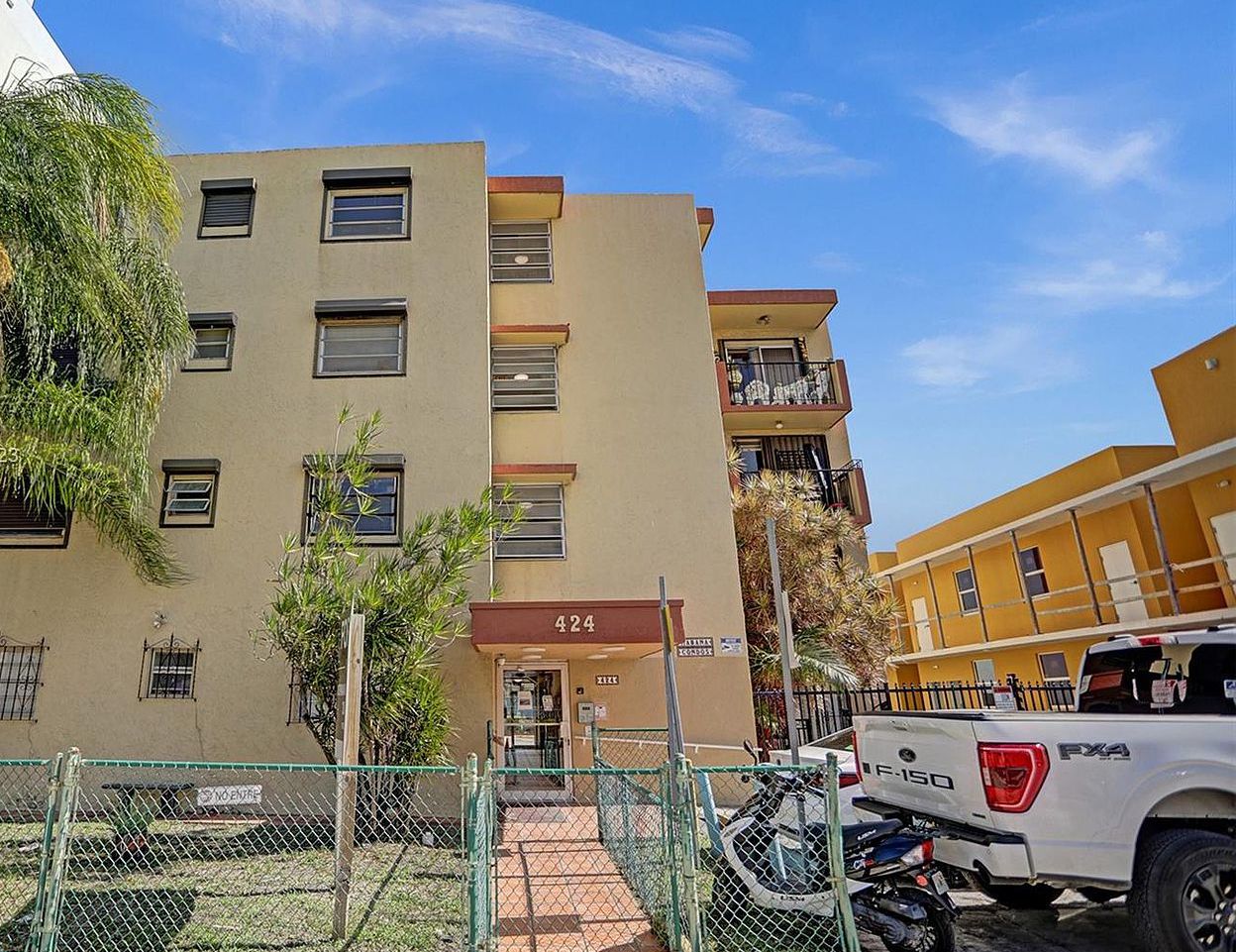
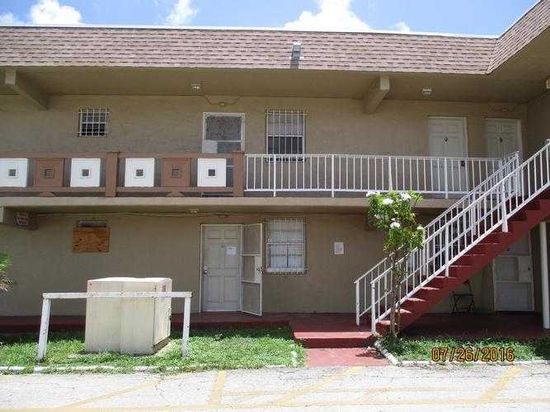
  • Miami Foreclosure
  • Miami, Miami-dade
  • FL, 33142
  • $100,000
  • BD/BH: 4 / 2
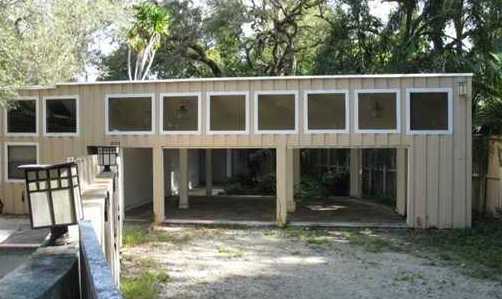
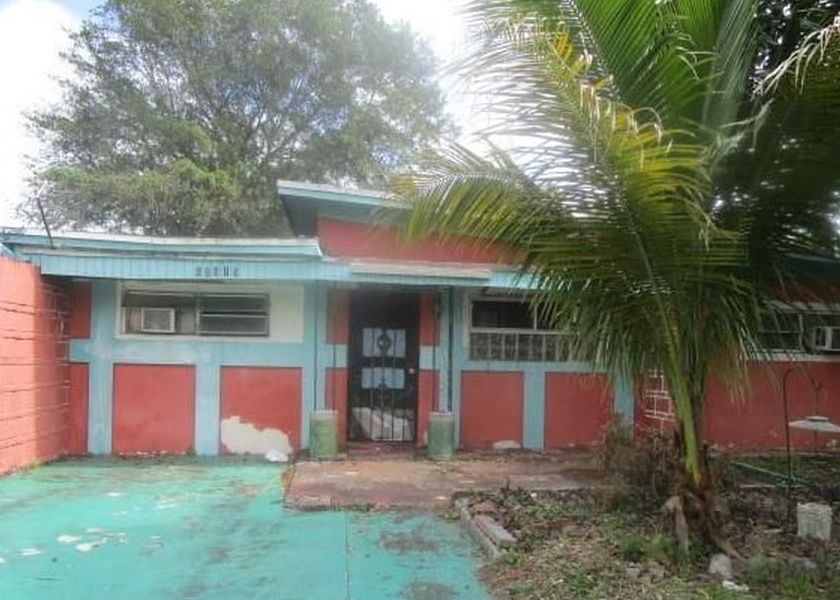
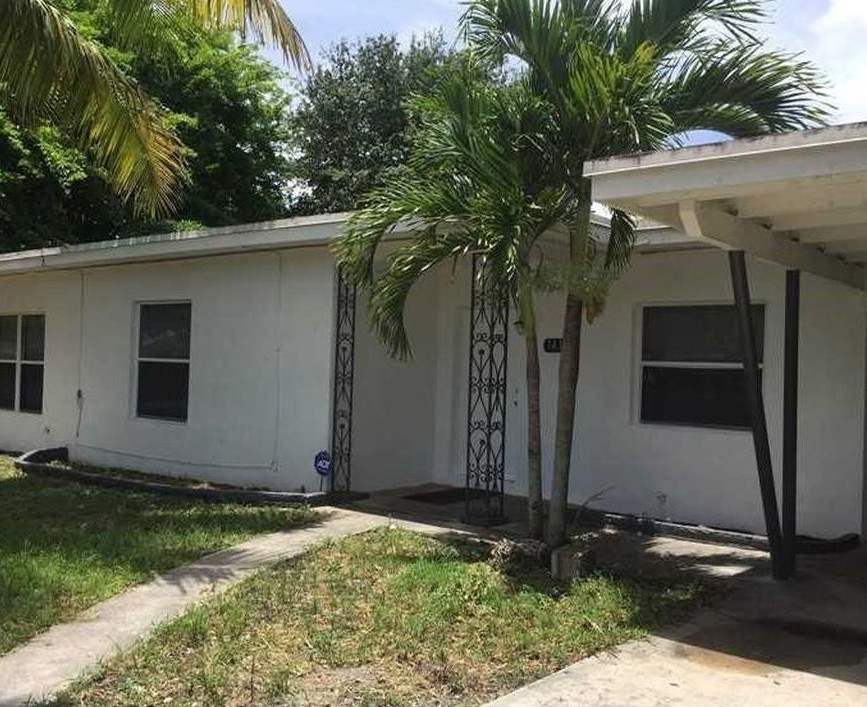
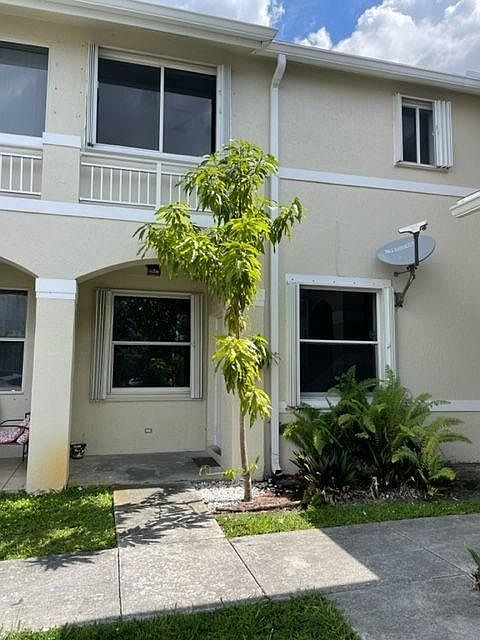
  • Miami Foreclosure
  • Miami, Miami-dade
  • FL, 33133
  • $100,000
  • BD/BH: 1 / 1
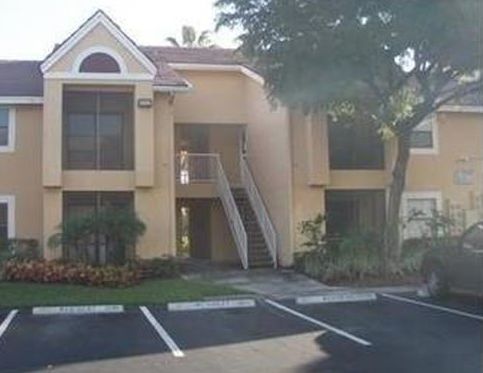
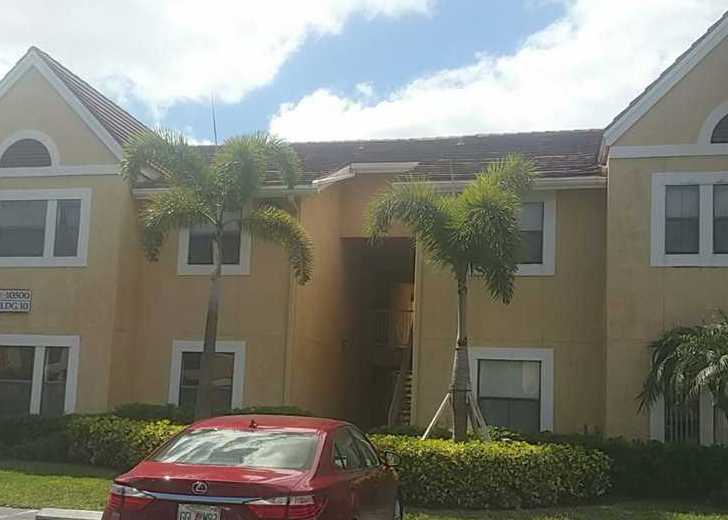
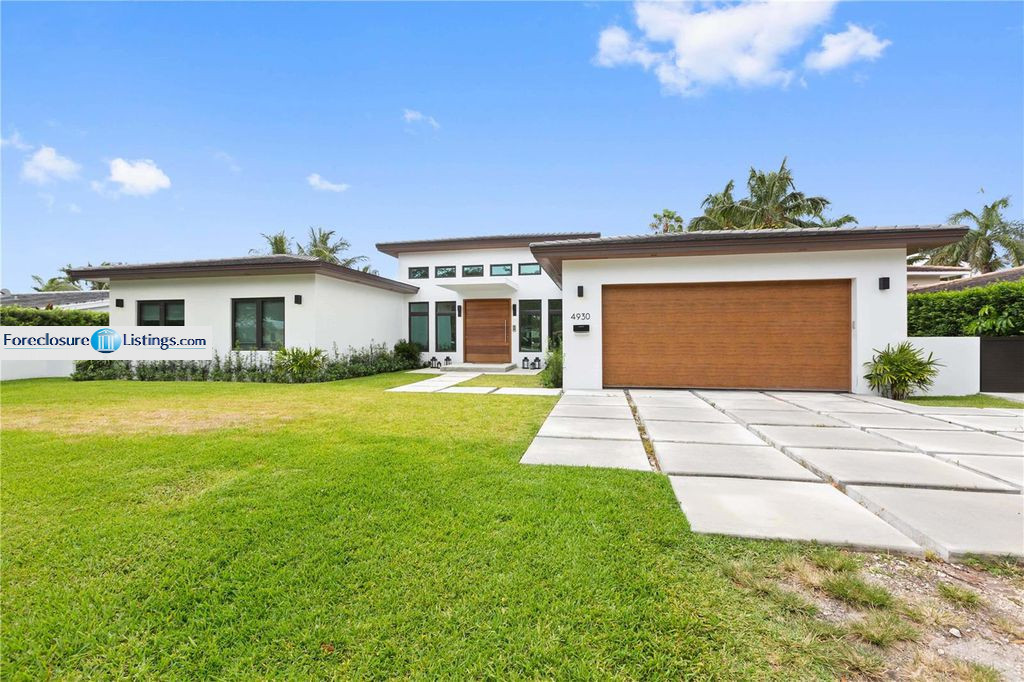
  • Miami Foreclosure
  • Miami, Miami-dade
  • FL, 33177
  • $100,000
  • BD/BH: 4 / 2
  • Miami Foreclosure
  • Miami, Miami-dade
  • FL, 33186
  • $101,000
  • BD/BH: 2 / 2
Photos, Satellite Pictures or Area Images
  • Beds
  • Baths
  • Price
  • -
  • Search
  • #
  • Photos
  • ID
  • Address
  • City
  • Zipcode
  • Type
  • BD/BH
  • Price
  • Details
  • 1
  • 16 Photos
  • 26352896
  • Sw 112 Av
  • Miami, FL
  • 33165
  • Foreclosure
  • 3bd / 2ba
  • $139,900
  • 3
  • 8 Photos
  • 24168613
  • Sw 219th St
  • Miami, FL
  • 33170
  • Foreclosure
  • 3bd / 1ba
  • $27,720
To view a sample listing please click here
  • 7
  • 7 Photos
  • 26314753
  • Sw 6th St
  • Miami, FL
  • 33135
  • Foreclosure
  • 3bd / 1ba
  • $114,000
  • 9
  • 4 Photos
  • 26353019
  • Sw 145th Ct
  • Miami, FL
  • 33184
  • Foreclosure
  • 4bd / 3ba
  • $286,110
  • 12
  • 1 Photo
  • 24282142
  • Sw 146th Ct
  • Miami, FL
  • 33186
  • Foreclosure
  • 4bd / 3ba
  • $220,000
  • 13
  • 6 Photos
  • 26352551
  • Ne 159 St
  • Miami, FL
  • 33162
  • Foreclosure
  • 3bd / 2ba
  • $124,900
  • 15
  • 16 Photos
  • 26370269
  • Ne 10th Pl
  • Miami, FL
  • 33161
  • Foreclosure
  • 4bd / 2ba
  • $103,000
  • 16
  • 6 Photos
  • 26371061
  • Nw 67th St
  • Miami, FL
  • 33147
  • Foreclosure
  • 2bd / 1ba
  • $49,999
  • 17
  • 10 Photos
  • 26350755
  • Sw 172nd St
  • Miami, FL
  • 33157
  • Foreclosure
  • 2bd / 1ba
  • $37,500
  • 20
  • 5 Photos
  • 26353921
  • Sw 144th Ct
  • Miami, FL
  • 33186
  • Foreclosure
  • 2bd / 2ba
  • $131,900
  • 21
  • 11 Photos
  • 26353966
  • Sw 25th St
  • Miami, FL
  • 33155
  • Foreclosure
  • 3bd / 2ba
  • $132,900
  • 25
  • 5 Photos
  • 26353951
  • Sw 65th Ave
  • Miami, FL
  • 33155
  • Foreclosure
  • 2bd / 1ba
  • $140,000
Subscribe to BankOwnedProperties.org to view all of our properties' details. Sign up for our 7-Day trial by clicking here!

Finding Deals on Miami Bank Owned Properties

Find Miami Bank Owned Foreclosures updated every time, also Foreclosure news and articles of Florida real estate. Start searching Miami Bank Owned Foreclosures now!

For anyone who enjoys warm weather and being close to the beach, Miami is a beautiful place to live. The price per square foot ranges depending on the type of neighborhood you choose to live in. The current average price per sq. ft. for a single family home is $208. Currently there are over 13,500 available foreclosures in Miami. These foreclosures begin at about $1000 and go as high as $980,000, depending on geographical location and economic class.

Miami offers miles and miles of beautiful beaches. Miami has homes to fit any economical class. There are condos, beach houses, single-family homes and cute little bungalows. Miami has wildlife refuges and state parks for families to enjoy such as the Everglades Safari Park. Another great point of interest for art and history lovers is the Vizcaya Museum and Gardens. There is also a large variety of restaurants to choose from that offer all different types of cuisine. If you are an NBA fan, you can see the Miami Heat at the American Airlines Arena. The overall violent crime statistics for Miami is less than 2%. Miami has over 300 schools in the area. The city also has over 40 private schools for specialized religious instruction or for students with special needs. The average daily commute time to work is less than 30 minutes from most locations in Miami.

Miami offers diversity both ethnically and religiously. Miami has hundreds of churches for religious instruction in the city that range anywhere from Apostolic to Seventh Day Adventist and just about everything in between.

With such a diverse population and all the activities Miami has to offer, there are certain to be homes available to meet the needs for anyone considering making the move to Miami; such a beautiful and scenic city. Check it out.

Miami-dade County Bank Owned Properties Top Cities

Miami Bank Owned Properties Top Zipcodes

Our Listings Sources

Our listings includes Bank of America foreclosures in Miami FL, Wells Fargo Foreclosures in Miami FL, and a lot more of trusted sources, like:

  • » Fannie Mae REO in Miami FL
  • » Miami FL Freddie Mac Foreclosures
  • » JP Morgan Chase Foreclosures in Miami FL
  • » Miami FL Citibank Foreclosures
  • » Wachovia Bank Owned Properties in Miami FL
  • » Miami FL Suntrust REO Homes
  • » HSBC Bank Foreclosures in Miami FL
  • » Foreclosure Apartments in Miami FL

Miami, FL Resources

Introduction to Miami, FL

With a population of 2,500,625, Miami is the most populated city in Florida and the 8th most populated city in the United States. Miami’s metropolitan area, the South Florida metropolitan area, is the most populated in the Southeast and the 7th most populated in the country. Because of its location on the coast of the Atlantic, Miami is one of Florida’s epicenters of finance, culture, commerce, entertainment, and trade. One of the city’s nicknames is “The Gateway to the Americas” due to its prominence as a trade port. Miami was originally a Native American settlement until the Spanish claimed the land in the mid-1500s. European settlers from Britain claimed the land in the 19th century. By the late 19th century Miami had become a large center for citrus production. In 1895, railroad construction began, increasing the city’s population and economy. Miami had a record population expansion in the early 20th century. Around 1,681 people lived in Miami in 1900, 5,471 in 1910, and close to 30,00 by 1920. In the early part of the century, Miami Beach developed, canals were built, gambling was legalized, and Miami experienced a construction boom which contributed to the rising population and steady job opportunities. Miami remained unscathed by the financial difficulties that plagued many cities during WWII. In fact, by the end of the war, its population has risen exponentially. Miami did experience racial and social turmoil from the 1950s to the 1970s. The city’s economy and status also declined for much of the ‘80s and ‘90s. However, starting in 2000, the city experienced reconstruction that has attempted to change the city’s image.

Living in the City

Miami is broken up into four districts: North, South, West, and Downtown. Downtown Miami is primarily made up of businesses, entertainment venues, and tourist attractions. South Miami is comprised of historical residential areas as well as many college neighborhoods (due to the many shops, bars, restaurants, and nightclubs). West Miami has many of the ethnic neighborhoods in the city. North Miami is considered the more artistic, bohemian neighborhood, while Midtown and the Upper East Side are the most sought after wealthier neighborhoods. Miami has many cultural attractions such as the Adrienne Arsht Center for Performing Arts (which is the second largest in the United States), Gusman Center for the Performing Arts, New World Symphony House, Jackie Gleason Theatre, Ring Theatre, Fair Expo Center, Bayfront Park Amphitheater, Florida Grand Opera, Miami City Ballet, New World School of the Arts, Miami Conservatory, Miami Science Museum, Museum of Contemporary Art, Miami Children’s Museum, Miami Art Museum, Lowe Art Museum, Vizcaya Museum and Gardens, Frost Art Museum, Zoo Miami, Jungle Island, and the Historical Museum of Southern Florida. Miami is also home to four professional sports teams: the Miami Dolphins, the Florida Panthers, the Miami Heat, and the Miami Marlins. The city is also home to many notable universities such as Florida International University, Keiser University, Miami Dade College, Miami International University of Art & Design, University of Miami, Florida Memorial University, Barry University, Miami Culinary Institute, Johnson and Wales University, and Nova Southeastern University. The public transportation in Miami includes buses, highway access, and a heavy rail transit system. The Port of Miami is also a heavy transit area. Additionally, many residents have started biking and walking. Miami has recently been rated as the 8th most walkable city in the country.

Job Opportunities

Miami’s economy revolves around finance, media, real estate, and trade. The city is the spot for many national, regional, and international financial and business headquarters and most of these companies account for over 65% of Miami’s workforce. Some of the major companies are AIG, Bacardi, Royal Caribbean Cruise Lines, FedEx, Exxon, Yahoo, Kraft Foods, Cisco, WalMart, Sony, Disney, Telemundo, American Airlines, Microsoft, Visa International, Oceania Cruises, Burger King, Perry Ellis International, Celebrity Cruises, Symantec, and U.S. Century Bank. Miami’s economy is also heavy affected by international trade. The Port of Miami and Miami International Airport are two of the largest and most heavily used ports in the country, especially regarding trade with South America and Caribbean countries. The Port of Miami is the 11th largest cargo container port in the country and provides Miami with 176,000 jobs and $18 billion dollars per year. The Port of Miami is one of the city’s largest employers. Tourism is another industry that offers many job opportunities for Miami residents. Miami is one of the most popular tourist destinations in the country and its beaches, convention centers, nightclubs, and shopping areas provide many jobs throughout the year. It is estimated that it earns the city $17 billion per year. Currently, Miami’s unemployment rate is at 13%.

Real Estate Market

Miami was a popular spot for the real estate market in the mid-2000s. However, since the housing crash the city has seen a rapid rise in foreclosure rates, as well as the rise of prices within the market. The average price per square foot is $151 which is an increase of 33.6% as compared to 2010. The average sales price for a home is $140,000 which is an increase of 7.8% and $10,100. In the past year the number of completed home sales decreased by 9.4%. The average listing price for a home is $512,635 which is a decrease of 4.1% and $21.958. The popular neighborhoods in Miami are Coral Way, Upper East Side, Wynwood, Northeast Coconut Grove, and Little Haiti. The listing price for these areas ranges from $508,090 to $644,352. The median home cost in Miami is $240,000 with a home appreciation rate of -7.10%. Of all the homes in the city, 27% are valued between $200,000 and $300,000. The current homeowner percentage in Miami is 31.69%. The number of houses on the market that are vacant is 13.85% and 54.46% of the population rents houses, condos, or apartments. The average price range for apartments in Miami is $850 to $1,000 for a studio, $1,000 to $1,200 for a one bedroom, $1,200 to $1,400 for a two bedroom, and $1,400 to $1,600 for a three bedroom.

Weather

Miami’s climate falls under the tropical monsoon category. The summers are hot and humid with an average high temperature of 89 degrees Fahrenheit and an average low temperature of 75 degrees. The season runs from May to October and the weather is almost always humid and muggy. The average rainfall per month is around 7 to 9 inches with an average yearly rainfall of 56 inches. The winter season in Miami is warm and relatively short with an average high temperature of 67 degrees Fahrenheit and an average low temperature of 50 degrees. Temperatures rarely fall below 35 degrees. Miami experiences many hurricanes from June to November, though most hurricane activity happens from mid-August to the end of September. If you’re buying real estate in Miami, the first thing to do is make sure it’s as far inland as possible. The closer you are to water, the more likely your home will be damaged. Second, a higher elevation is important to prevent water damage. Third, the foundation of the house should be build of solid wood instead of metal to prevent harsh winds from tearing through the frame. Fourth, a safe room might be a viable option to consider building.

Cost of Living

While residents rank Miami as one of the most beautiful and culturally diverse cities in the nation, it’s also one of the more expensive cities. The cost of living is above the natural average which is due to Miami’s struggling economy and low salary rate. The average salary for a household is $29,812 while the average salary for a family is $33,814. The per capita income in Miami is $18,846. Around 29% of the population earn less than $15,000, and out of the entire population 27% of people are living at or below the poverty line. Miami institutes a sales tax of 7%, an income tax of 0%, and a property tax of 1.5%. It’s average credit score is 682 which is ten points beneath the nation’s average.